
By Heather Welch

Every year on Earth Day (April 22), classrooms across the world celebrate environmental stewardship and sustainability. For teachers it’s the perfect opportunity to bring environmental science to life with hands-on learning.
If you’re looking for Earth Day classroom activities, STEM sustainability projects, or environmental lessons for K-12 students, these teacher-tested ideas are engaging, educational and accessible.
Turn Earth Day into a classroom challenge where students work in teams to solve sustainability problems.
Examples of challenge themes with links to lesson plans include:
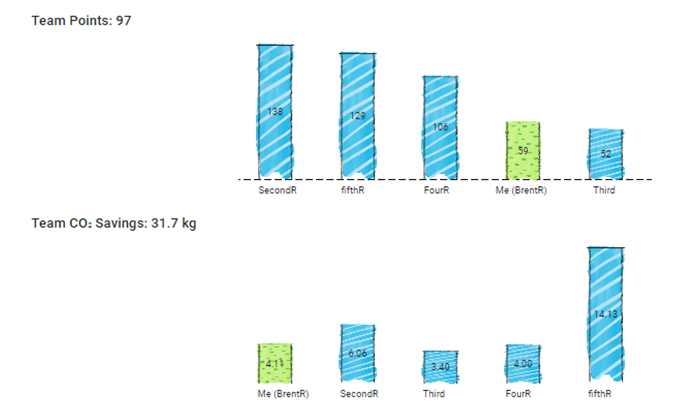
Screenshot from our current League for Green Leaders program ( Human Impact on Oceans) showing C02 savings
Students can research the environmental impacts of everyday choices and propose real-world solutions. Many classrooms can enjoy using digital games and simulations to explore sustainability concepts.
You can integrate fun interactive learning games like our iBiome games here!

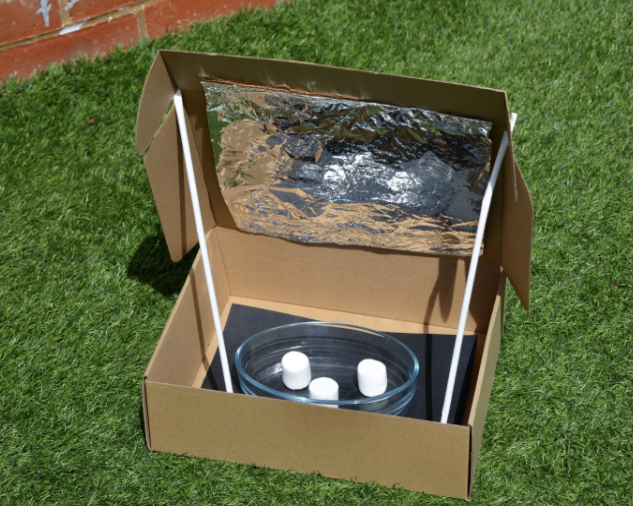
Students design and build a simple oven using materials such as:
Check out our lesson plan here to create solar ovens with your class!
Through this activity, students learn about:
It’s also a great opportunity to introduce discussions about solar energy and alternative energy sources.
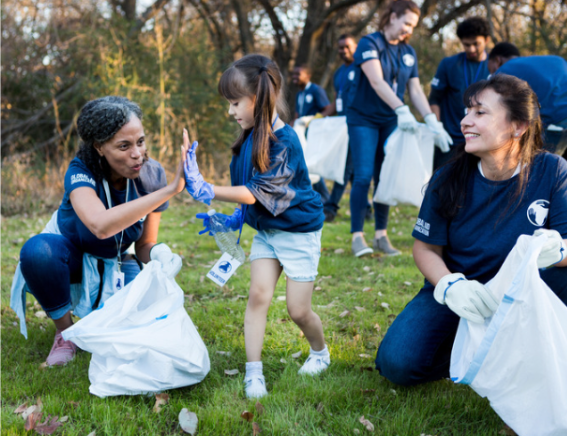
A classic Earth Day litter cleanup can become a deeper sustainability lesson when students explore the environmental impact of waste.
Students can:
This activity helps students see how small local actions connect to larger climate solutions.
You can extend the lesson by exploring carbon footprint concepts through our gamified online competition on sustainability online that simulate real-world environmental decisions

Earth Day is a great opportunity to talk with students about waste and consumption. One way to start the conversation is by encouraging students to rethink how everyday items can be reused, repaired, or repurposed before being thrown away.
You can also introduce real-world examples of waste reduction such as local clothing swaps, buying second-hand before purchasing new items, or borrowing and sharing resources within the community.
In the classroom, challenge students to repurpose materials that would normally end up in the trash.
Examples include:
These hands-on activities encourage creativity, engineering thinking, and problem solving while helping students rethink their relationship with waste. It also helps students see how small actions can contribute to reducing waste in their everyday lives.
Pollinators are essential for ecosystems and food production
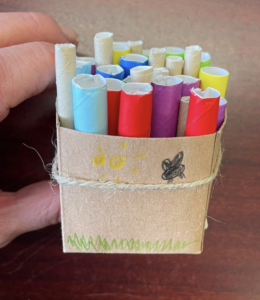
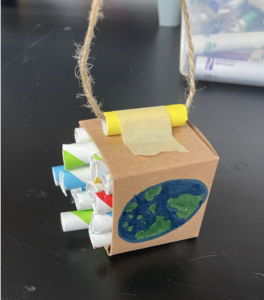
Students can build simple bee houses using natural materials like:
Through this activity, students learn about:
It’s also a great way to connect Earth Day to local ecosystems and food systems.
Check out our lesson plan on how to create bee boxes here!
Planting trees is one of the most impactful Earth Day activities schools can organize. It’s a hands-on way for students to contribute to climate solutions while learning about their local environment.
Students can learn about:
Tree planting helps students see how restoring natural systems can play an important role in addressing climate change.
Teachers consistently emphasize that students learn best when they can build, explore, and experiment.
Activities that combine:
help students develop both practical skills and environmental awareness.
By integrating interactive games, hands-on projects, and sustainability challenges, educators can turn Earth Day into a meaningful learning experience that lasts far beyond a single day.